
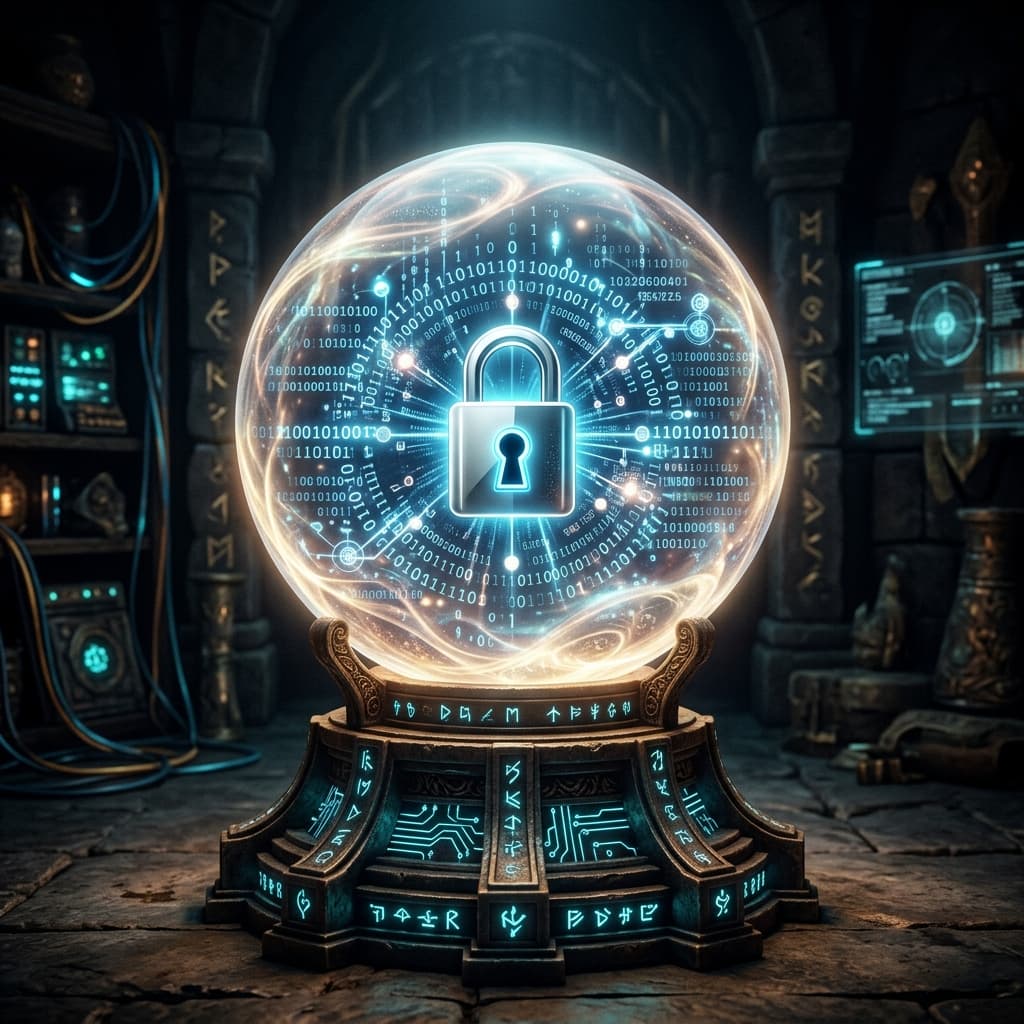
Yes. A digital reading holds an advantage a traditional session cannot match: nobody is sitting opposite you remembering what you said. Your question is stripped of anything identifying, turned into symbolic values, interpreted, and then let go. No judgement, no upsell, no story about you told to somebody else.
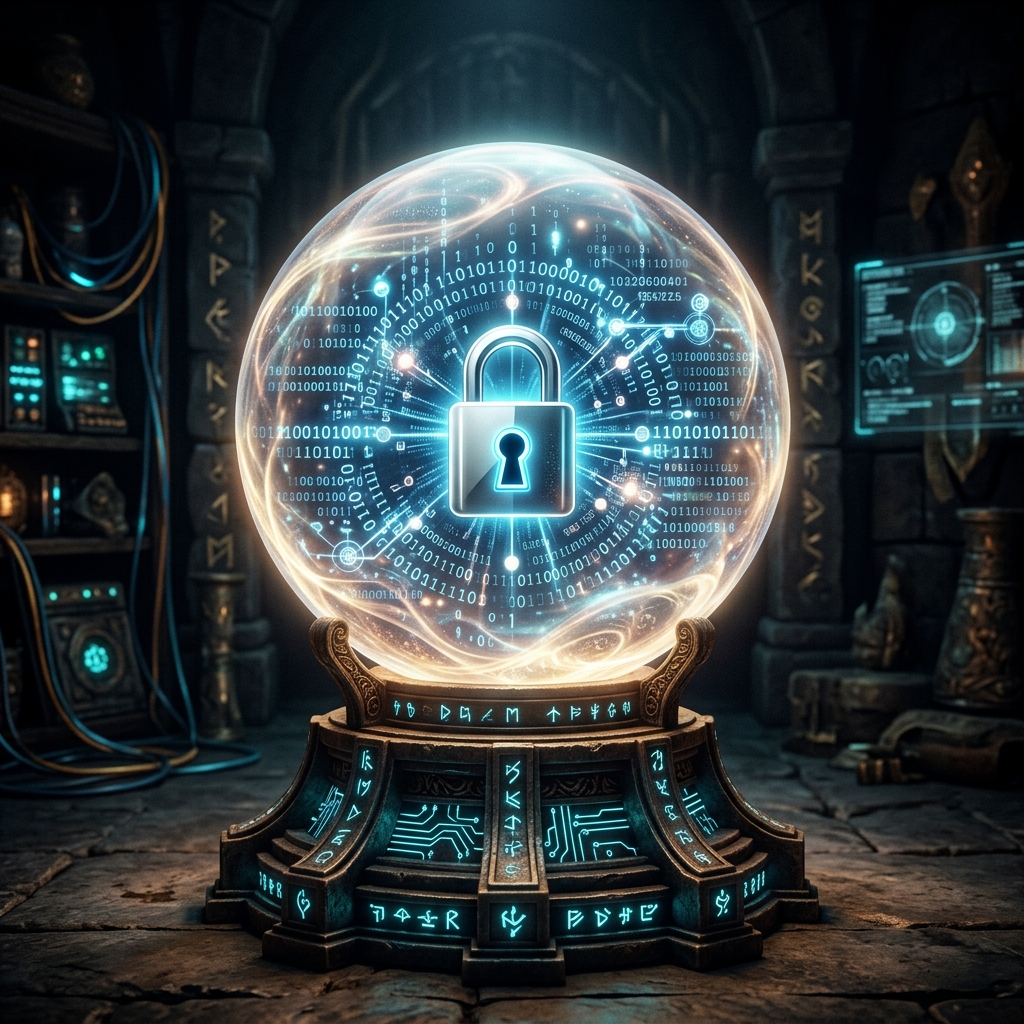
From whispers to something quieter
For years people knocked on a reader's door to hear about the future and settle the question marks in their hearts. The secrets and hopes shared in those rooms were offered on the assumption they would go no further. Human nature, though, is well suited to slipping, to judging, and sometimes to making use of what it heard. Today many of us take those questions to a screen instead.
Why a screen keeps a secret better
On a platform like Faltastik, what passes between you and the reading is far more closed than a traditional session. Two reasons stand out.
No judgement, no emotional leverage
A system does not judge you, however fragile the question. It will not ask why you are so fixated on this, or tell you that what you did was wrong. It is not trying to get something out of you, and it will not work on you so that you pay more at the next session.
The guarantee of forgetting
A person's memory keeps what it hears. Faltastik is built the other way: the question is stripped of your identity and reduced to symbolic values, and once the interpretation is done it is finished with. Your reading is a brief flare in the digital dark, and then nothing.
The freedom that comes with it
Data protection law already binds us to strict rules, GDPR among them, and we treat those rules as the foundation of how we work rather than a box to tick. Whatever you want to know about your future is a private journey inward, and it needs neither an audience nor an eye on your data.
So ask what you would not say out loud. It stays between you and the stars.
The technical side of that is set out in the five shields behind the screen, and what happens to the text of a reading is covered in privacy in online readings. When you are ready, pick from the nine reading types.

